Genome X Environment in Grass
Aim to detect the genome interation with different habitats in Grass using hyrbids sequence data for genome assembly and annotation. 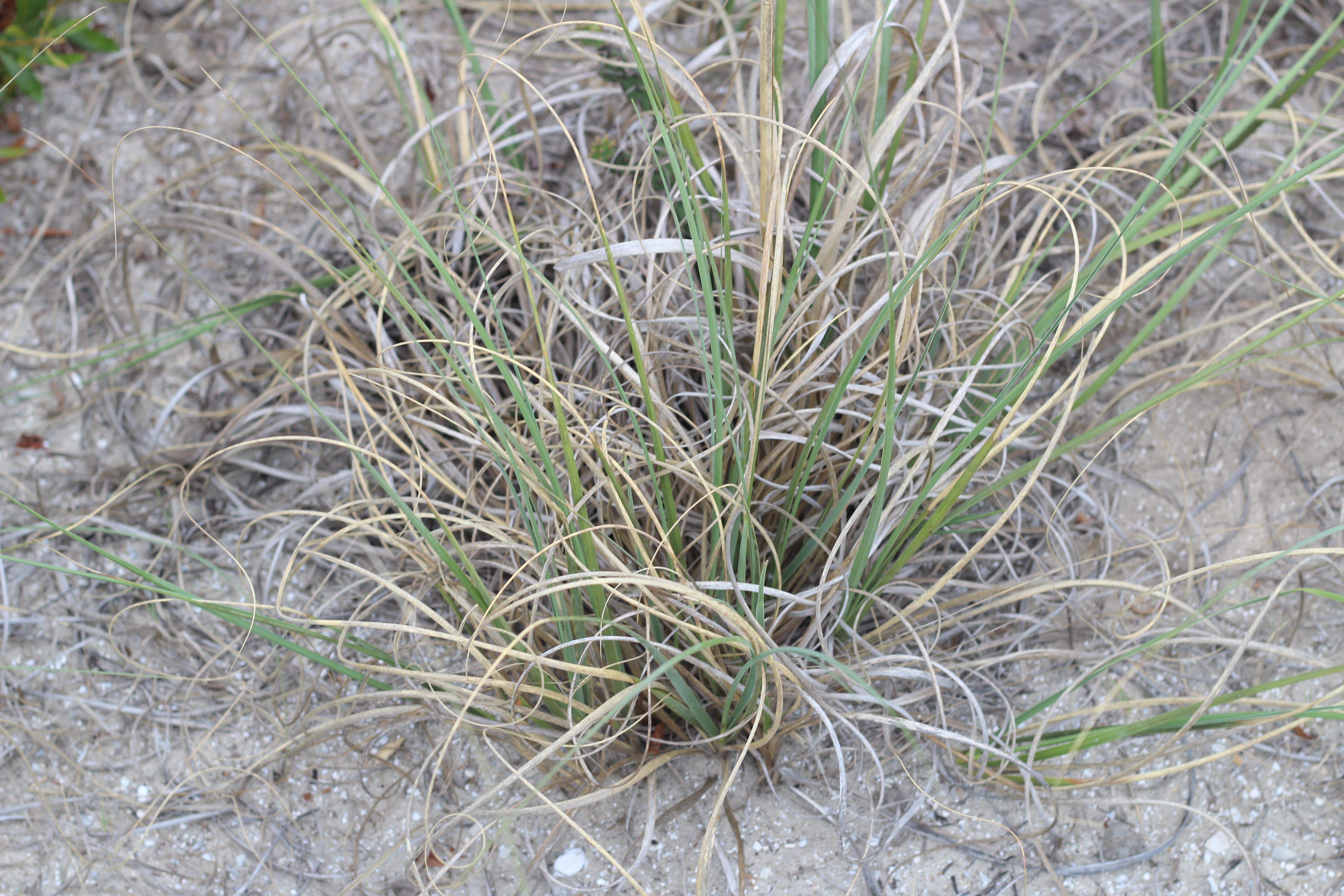

Aim to detect the genome interation with different habitats in Grass using hyrbids sequence data for genome assembly and annotation.
Genome-wide SNPs revealed sea level changes shaped the current distribution of Venus flytrap in Carolinas, US. 
We developed PtGAUL to resolve the complicated plastome strucutres with long repeats. We detected many rearrangement events in the plastomes of Juncus and whole NDH gene family loss in Juncus validus. 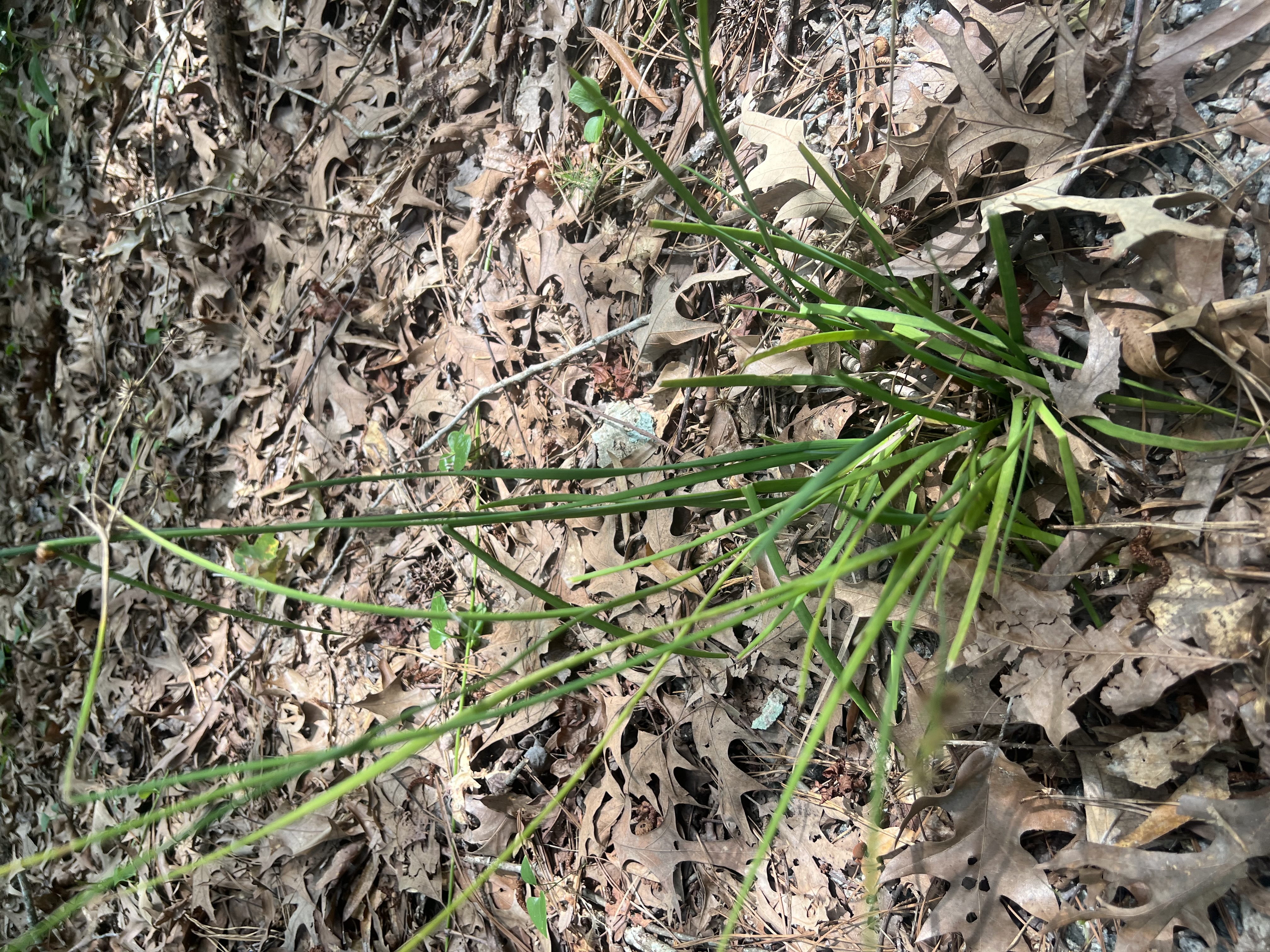
Nyssa sylvatica complex consists of several woody taxa occurring in eastern North America. These taxa were recognized as two or three species including three or four varieties by different authors. Due to high morphological similarities and complexity of morphological variation, classification and delineation of taxa in the group have been difficult and controversial. Here we employ data from RAD-seq to elucidate the genetic structure and phylogenetic relationships within the group. Using the genetic evidence, we evaluate previous classifications and delineate species. Our results support the recognition of two species in the complex, N. sylvatica and N. biflora, following the phylogenetic species concept. We found no genetic evidence supporting recognitions of intraspecific taxa. However, we propose subsp. ursina and subsp. biflora within N. biflora due to their distinction in habits, distributions, and habitats. This work was published in MPE 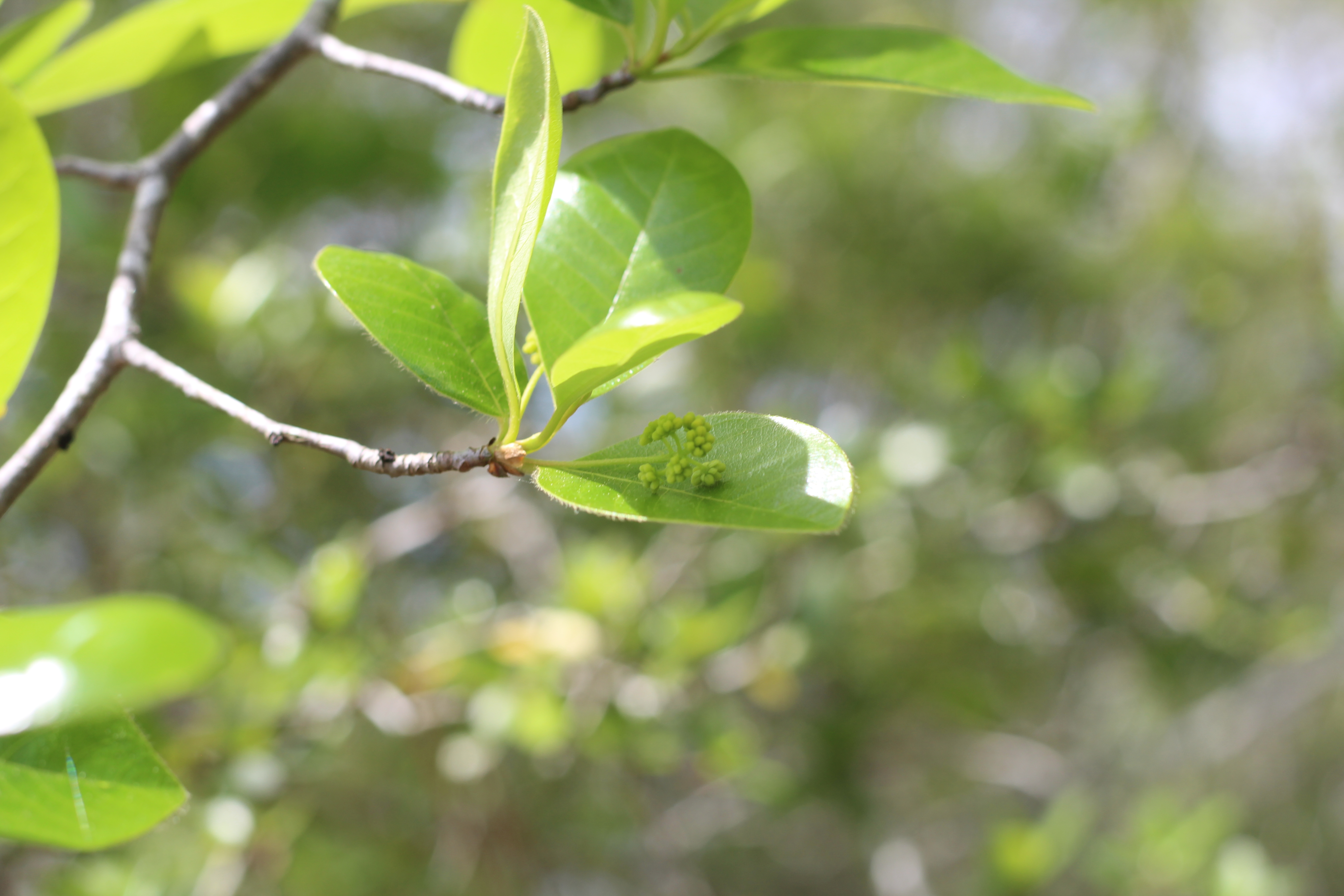
Nyssa represents a classical example of the well‐known eastern Asian–eastern North American floristic disjunction. The genus consists of three species in eastern Asia, four species in eastern North America, and one species in Central America. Species of the genus are ecologically important trees in eastern North American and eastern Asian forests. The distribution of living species and a rich fossil record of the genus make it an excellent model for understanding the origin and evolution of the eastern Asian–eastern North American floristic disjunction. However, despite the small number of species, relationships within the genus have remained unclear and have not been elucidated using a molecular approach. See the publication in JSE. 
Hamamelis (the witch-hazels) and Castanea (chestnuts) are two classic examples exhibiting the well-known eastern Asian (EA)-eastern North American (ENA) disjunct distribution. Our results showed congruences in phylogenetic inference and divergence time dating between RAD-seq and Hyb-Seq data sets. Check out the details in our MPE paper. 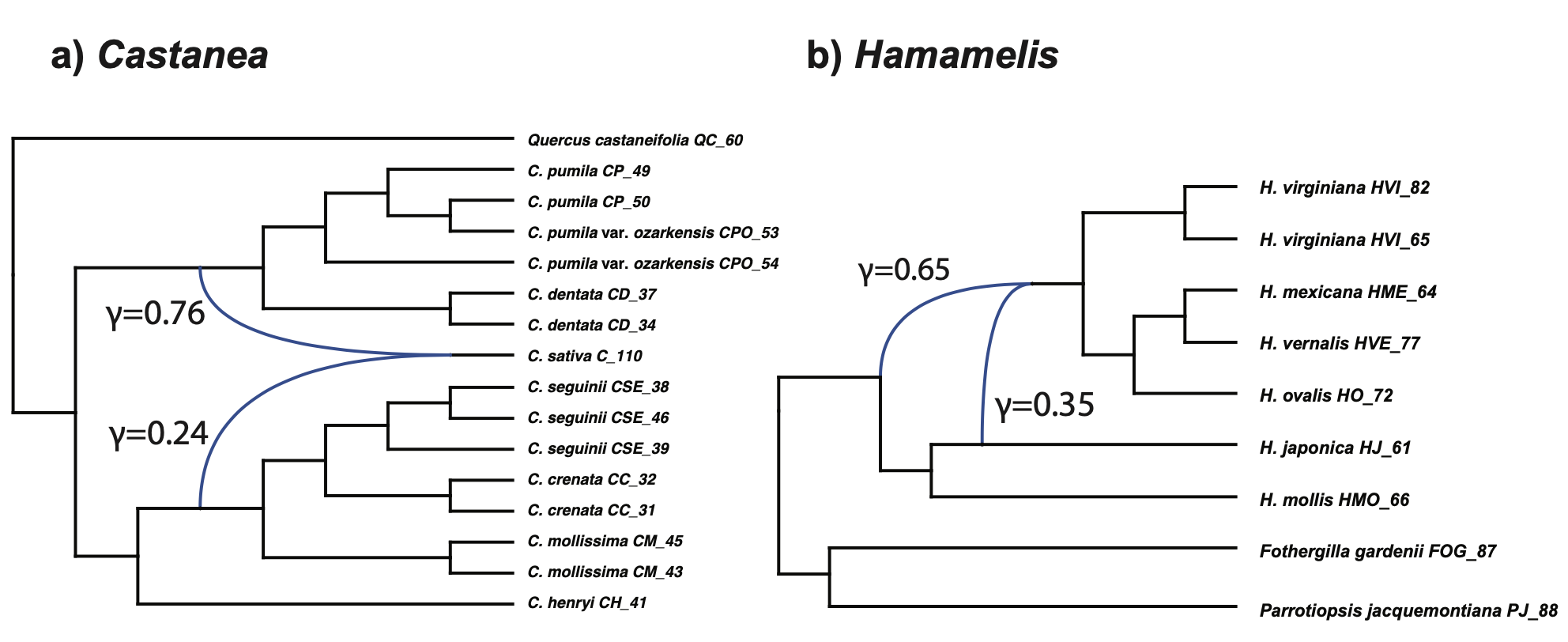
Torreya is a classic example of the well‐known EA–NA floristic disjunction with species richness biased toward EA. The genus has seven extant species: two from NA and five from EA. In our study, we used Rad‐seq data in combination with plastome and mitochondrial gene sequences, morphology, and fossil records to reconstruct the phylogenetic and biogeographic histories of the genus and tested hypotheses on anomalies of biodiversity of the eastern Asian‐North American floristic disjunction. See details in my publication on JSE. 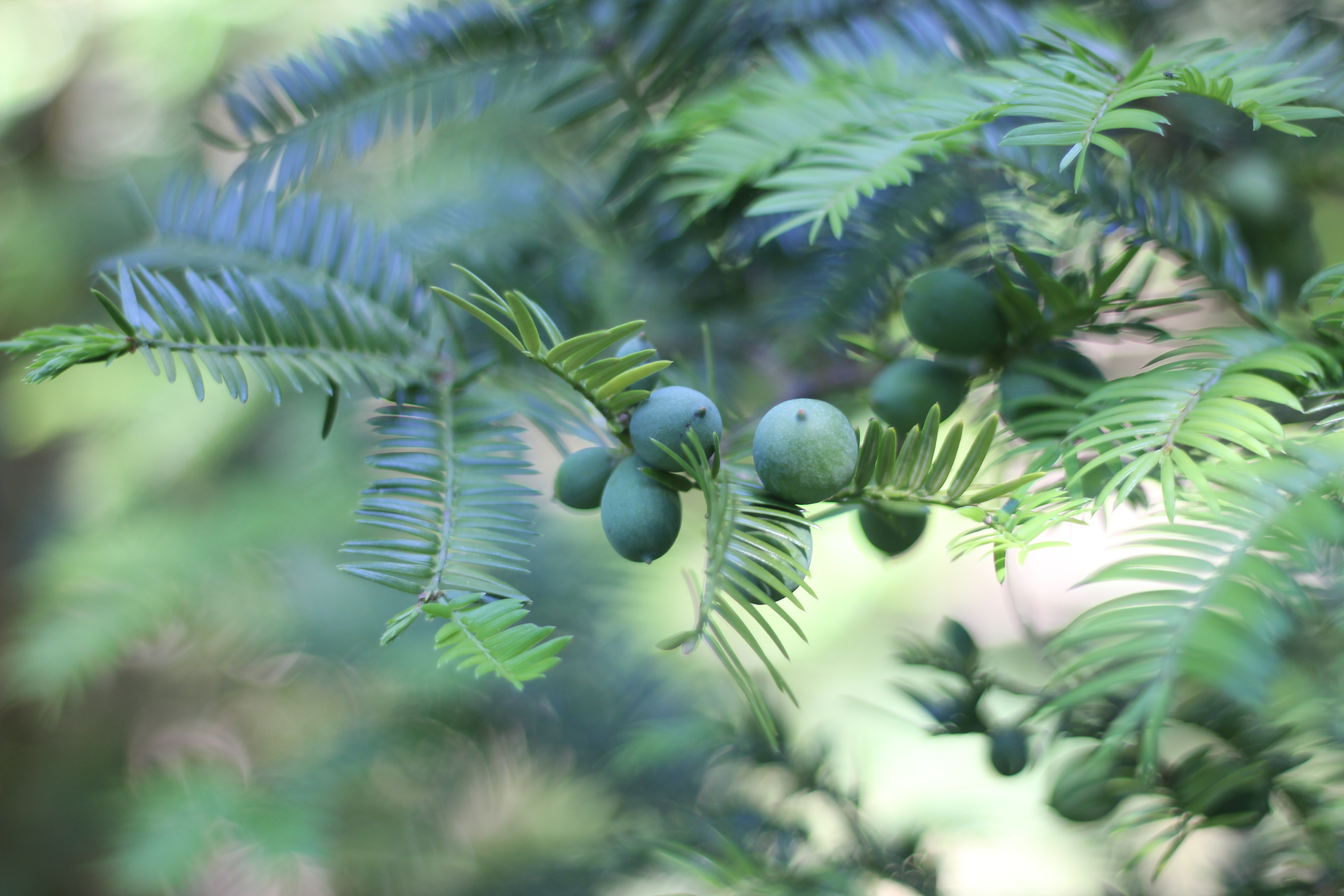
We successfully assemble the whole genome of Ginkgo biloba, which possesses ~10 Gb genome size. See details in my publication on GigaScience.